SHADOWSLANE

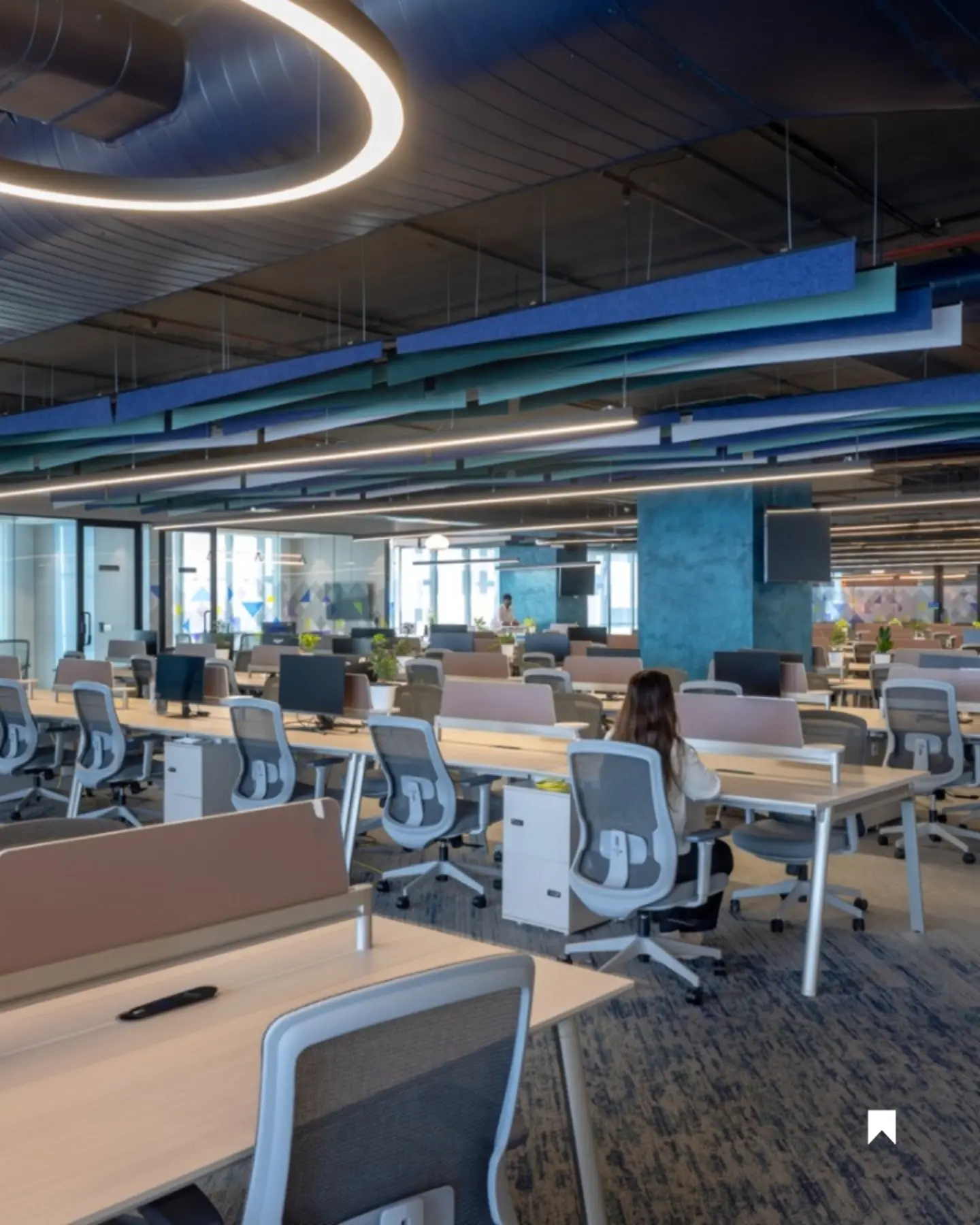
The modern office is no longer simply a collection of desks, cabins and meeting rooms.
The way people work has changed — and office design is beginning to catch up.
Across Indian workplaces, businesses are looking for spaces that can support focused work, collaboration, meetings, informal conversations and employee wellbeing without requiring more and more square footage.
The result is a shift away from designing offices around seats and toward designing them around activities.
Here are seven changes shaping workplace interiors in 2026.
1. Activity-based working is becoming more relevant
Not every task requires the same environment.
Focused work may require quiet. Brainstorming may work better around a table. A quick conversation may need only an informal seating area.
Instead of giving every employee a permanent desk and expecting every task to happen there, activity-based workplaces provide different environments for different types of work.
That might include:
- Focus rooms
- Collaboration zones
- Meeting rooms
- Phone booths
- Informal lounges
- Shared workstations
- Quiet areas
The result is a workplace that adapts to the task rather than forcing every task into the same environment.
2. Offices are becoming more flexible
Businesses change.
Teams grow. Departments move. Working patterns evolve.
A workplace designed perfectly for today’s organisation can become inefficient surprisingly quickly.
Flexible furniture, modular partitions and adaptable layouts allow companies to modify their spaces without completely rebuilding them.
Good office design therefore needs to consider not only how the office works today, but how it might need to work two or three years from now.
3. Acoustics are finally being treated as a design problem
Open offices can look fantastic in photographs.
Working in one can be another matter.
Conversations, calls, meetings and constant movement can create an environment where concentration becomes difficult.
Acoustic planning is therefore becoming an increasingly important part of workplace design.
This can include:
- Acoustic wall treatments
- Ceiling solutions
- Soft furnishings
- Phone booths
- Quiet rooms
- Strategic zoning
- Furniture placement
A productive office isn’t necessarily a silent office.
It is an office where different levels of sound are managed intentionally.
4. Biophilic design is moving beyond “put some plants in the office”
Plants are an easy starting point, but biophilic design can go much further.
Natural light, views, natural materials, textures, greenery and connections between indoor and outdoor spaces can all contribute to a more comfortable workplace.
The objective isn’t to create an office that looks like a jungle.
It’s to create an environment that feels less artificial and more connected to the natural world.
5. Wellness is becoming part of workplace planning
Employee wellbeing is increasingly influencing the physical workplace.
This can manifest through better daylight, comfortable furniture, breakout spaces, quieter zones, healthier material choices and dedicated spaces for taking a genuine break.
The office doesn’t need to become a wellness centre.
But it should acknowledge a simple reality:
People perform better when the environment around them supports them.
6. Technology is becoming less visible
Smart offices don’t necessarily need to look futuristic.
In fact, the best technology often disappears into the design.
Integrated AV systems, access control, lighting controls, meeting-room technology and smart infrastructure can be planned as part of the architecture and interiors rather than added afterwards.
The objective should be simple:
Technology should make the workplace easier to use — not make the workplace look like a technology showroom.
7. The office is becoming part of the brand
An office communicates something before anyone reads a company’s website.
Materials, lighting, reception design, meeting rooms, furniture and even the way people move through the space contribute to that impression.
For a business that regularly receives clients, partners or candidates, the workplace becomes part of the brand experience.
But good branding doesn’t mean putting a logo on every wall.
It means translating the company’s personality into the environment.
The bigger shift
Perhaps the most important workplace trend isn’t a particular colour, material or furniture style.
It is the movement from office design as decoration to workplace design as strategy.
A good office should help people work.
It should support concentration, collaboration, communication, growth and culture — while making sensible use of the real estate the business is paying for.
That requires more than choosing attractive furniture.
It requires understanding the organisation first.
At Shadowslane, we approach commercial interiors by looking at how people, teams and businesses actually use their spaces — and then designing around those needs.
Because the best office isn’t the one that looks impressive on day one.
It’s the one that continues to work as the business grows.